
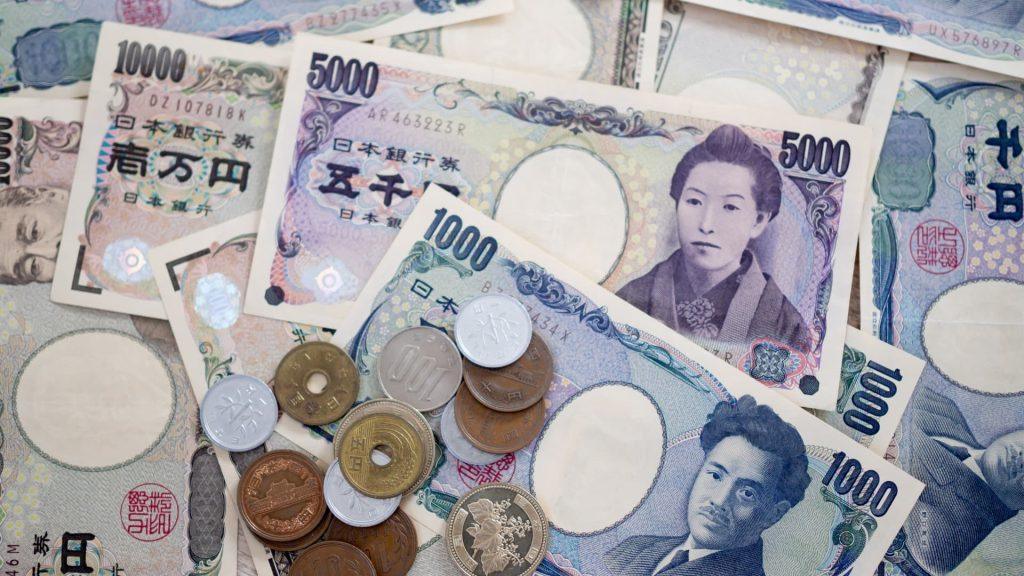
The Japanese yen traditionally regarded as a safe haven during global crises has experienced a sharp decline following Israel’s missile strikes on Iranian nuclear and military sites on 13 June. Since the attacks, the yen has dropped 2.4% against the U.S. dollar and 1.4% against the Swiss franc.
Japan’s dependence on imported oil has made its economy particularly vulnerable to rising energy prices. With crude oil prices spiking amid escalating tensions between Israel and Iran, analysts warn that the yen’s depreciation may continue. A worsening trade balance and higher import costs are undermining the currency’s usual appeal as a refuge in uncertain times.
Market speculators who had anticipated a stronger yen may be forced to reverse their positions, potentially deepening the currency’s losses. While the weaker yen boosts the overseas earnings of Japanese exporters, it also raises input costs particularly in energy thereby creating a mixed outlook for Japanese equities.
Domestically, the declining yen adds to inflationary pressures, especially on essential goods like rice, at a politically sensitive period with upper house elections looming.
Also Read: Nigeria’s Crude Grades Surge Above $77 Amid Middle East Tensions
“A rise in crude oil prices causes a deterioration not only in Japan’s trade balance but also in its terms of trade, so it fundamentally acts to weaken the yen,” Citi analysts noted. They predict the yen could fall to ¥150 against the dollar by September.
The Bank of Japan’s dovish tone in its recent policy meeting has also contributed to the downward pressure on the currency.
This latest slump mirrors the yen’s performance in early 2022, when it fell by over 11% in the two months following Russia’s invasion of Ukraine.
With fresh geopolitical risks emerging after U.S. airstrikes on Iran, markets are bracing for ongoing volatility.
