
Media professionals, environmental advocates, and civil society organisations have urged stronger climate reporting in Nigeria, calling for improved public accountability and greater inclusion of gender perspectives in environmental governance.
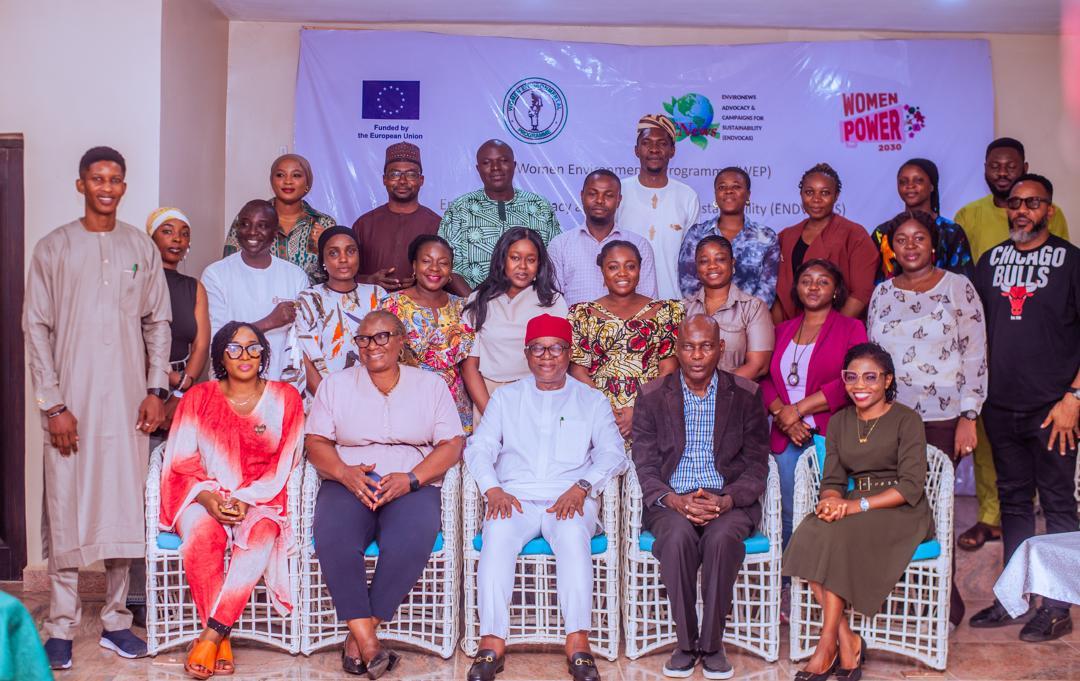
The appeal was made during a two-day media training held in Abuja on “Climate Governance and Gender Mainstreaming in the UNFCCC and Minamata Conventions,” organised in partnership with the Women Environmental Programme (WEP).
Participants said the media must play a more active role in translating climate policies and scientific data into accessible information that can drive public understanding and action.
Speaking at the event, experts noted that climate change impacts in Nigeria are intensifying, making informed journalism essential for effective policy engagement and community awareness.
They stressed that journalists should not only report environmental developments but also examine climate finance, expose environmental mismanagement, and highlight the experiences of vulnerable communities.
Speakers also emphasised the importance of integrating gender considerations into climate reporting, noting that women and girls are often disproportionately affected by environmental challenges yet remain underrepresented in decision-making processes.
They called on media organisations to invest in specialised environmental reporting, data-driven storytelling, and investigative journalism to strengthen public discourse on climate issues.
The conference brought together journalists, climate advocates, and development stakeholders to enhance capacity for improved environmental reporting and to promote inclusive climate governance across Nigeria.
