
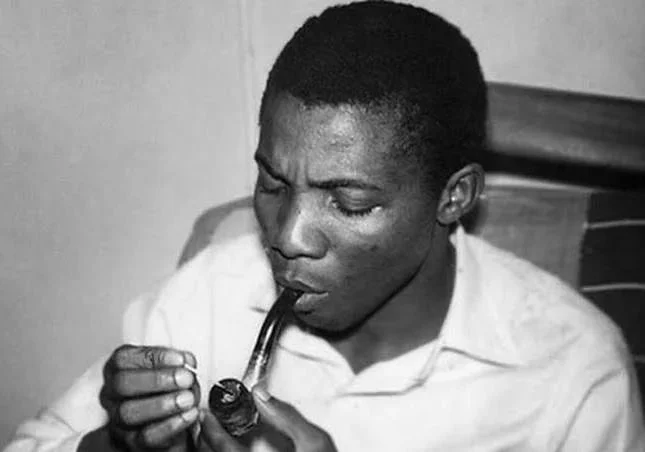
The National Council for Arts and Culture (NCAC) has celebrated the induction of Christopher Okigbo’s literary archives into UNESCO’s prestigious Memory of the World Register, marking a historic milestone for Nigerian literature and cultural heritage.
Okigbo, widely regarded as one of Africa’s most anthologised poets, died in 1967 while fighting for the independence of Biafra. His works, including the acclaimed poem Siren, blend African and European literary traditions. Siren is structured into four distinct parts that explore identity, artistic struggle, and the complexities of the poet’s journey.
Speaking at the ceremony, NCAC Director-General Mr Obi Asika described the recognition as a profound inspiration for the next generation of Nigerian poets, authors, and cultural pioneers.
“The NCAC celebrates Christopher Okigbo not only as a national treasure but also as a symbol of Africa’s enduring contribution to world literature and culture,” Asika said. “This recognition immortalises a writer tragically lost in the civil war but ensures that his words will endure for generations to come.”
Asika noted that Okigbo’s induction highlights the role of literature in preserving identity, promoting cultural dialogue, and advancing collective memory.
Okigbo first achieved this distinction in 2007, when his manuscripts, letters, photographs, and unpublished works were inscribed into the register, making him both the first Nigerian and the first African to receive the honour.
“This recognition affirms the global significance of one of Nigeria’s greatest literary voices, whose poetry fused Igbo spirituality with modernist brilliance and continues to inspire the world,” Asika added.
The NCAC stressed that the induction not only immortalises Okigbo as a modernist writer of the 20th century but also represents a landmark for Nigerian cultural representation on the global stage.
