
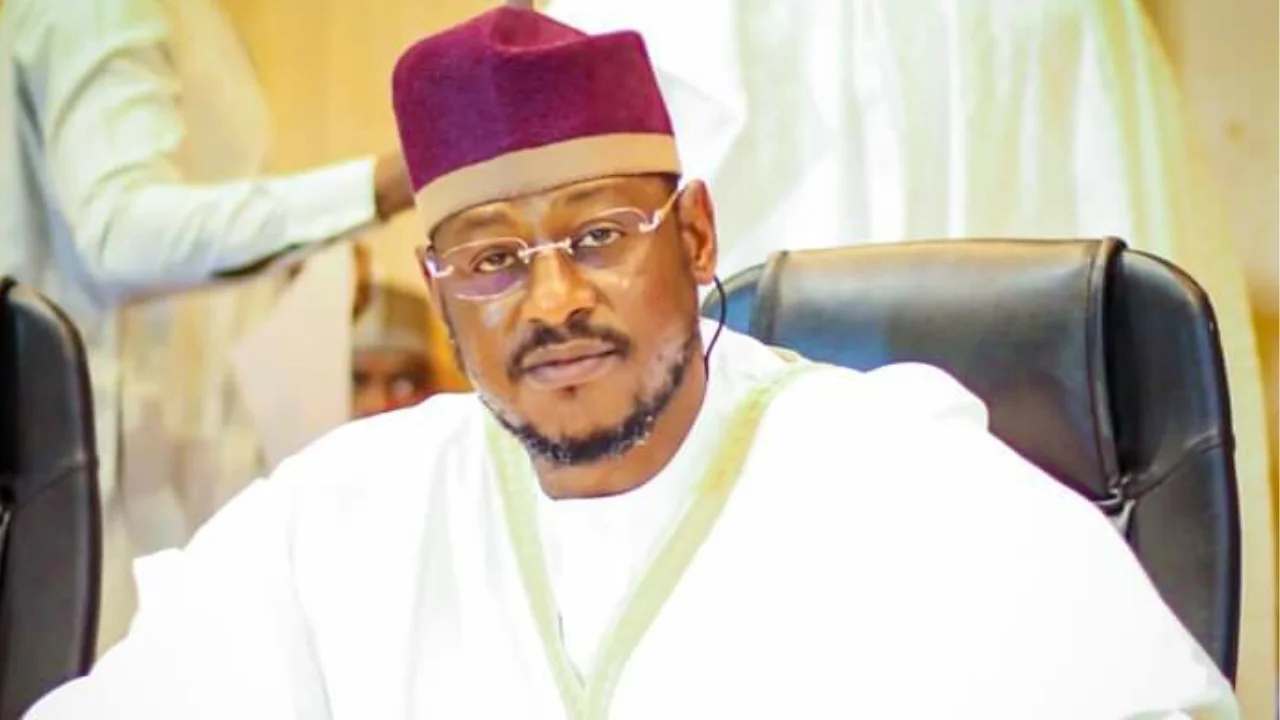
The Katsina State Government has begun developing its 2026 Operational Plan for the health sector.
The Commissioner for Health, Alhaji Adamu Musa-Funtua, disclosed this at a four-day capacity-building workshop organised by the Ministry of Health for health leaders, managers, and key stakeholders.
The workshop, co-organised under the Sector-Wide Approach (SWAp), is themed “Health System Strengthening and Planning.”
Represented by the Permanent Secretary, Dr Ahmed Tijjani-Hamza, the Commissioner explained that the event aims to prepare and develop the state’s 2026 Annual Operational Plan (AOP) for health.
He noted that the 2025 operational plan, currently being implemented, is “exceptional and robust.”
“This exercise is to initiate the process of developing the 2026 plan, in alignment with national health reforms,” he said.
Musa-Funtua highlighted that the Federal Government’s Nigerian Health Sector Renewal Investment Initiative seeks to strengthen the health system through several reform pillars, with implementation anchored on the SWAp strategy.
“The goal is to reduce service fragmentation and harness resources more effectively, ultimately improving health outcomes,” he added.
The commissioner stressed that the 2026 plan would be aligned with both the National Health Sector Renewal Initiative and the Health Sector Strategic Blueprint of the Federal Government.
He also mentioned that officers who had participated in national-level training would be expected to cascade the knowledge gained to others during the workshop:
“This way, we will ensure a robust operational plan for 2026, rooted in national strategy and building towards a sustainable health blueprint for the state.”
Earlier, the Director of Planning, Research and Statistics, Dr Abdulrashid Yusuf, urged participants to concentrate on strategies that address key challenges in the health system.
“Let us prioritise interventions based on their efficiency in improving health outcomes, especially in addressing resource constraints and service delivery gaps,” he said.
“We must also focus on the needs of marginalised and underserved populations and consider the capacity for implementation, in terms of infrastructure and available resources.”
A representative of the World Health Organisation (WHO), Dr Moses Sunday, expressed hope that participants would meet expectations and produce a well-grounded operational plan by the end of the workshop.
