
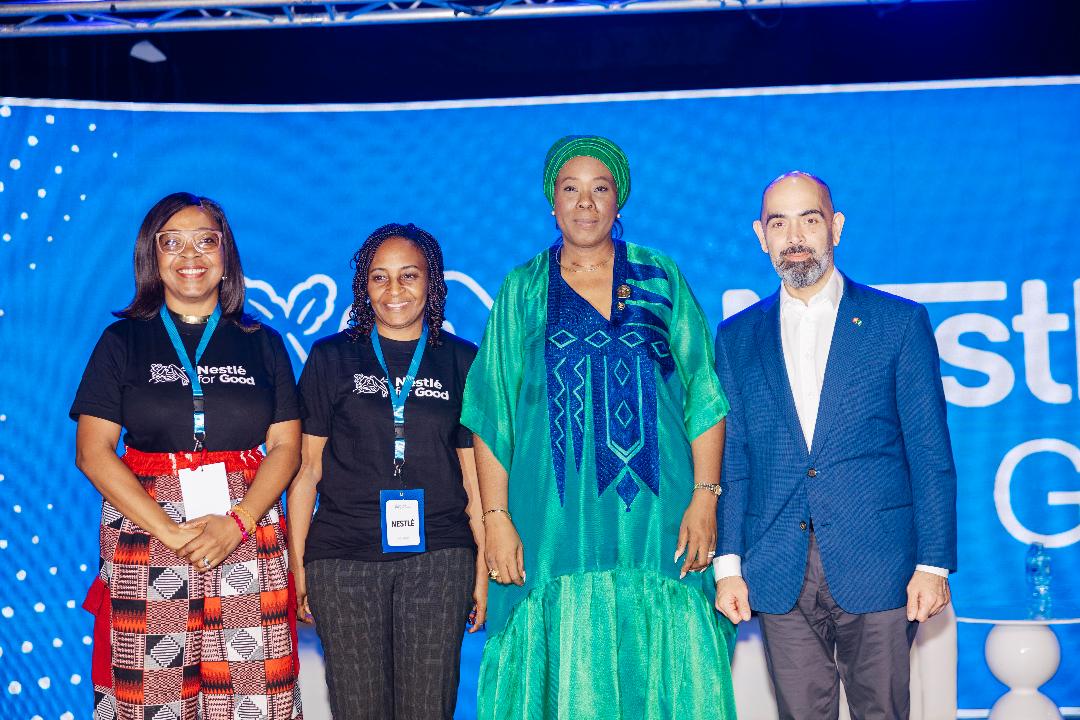
Stakeholders in the agriculture and food production sector have called for the strengthening of food supply chains across Nigeria to address growing agricultural and nutritional challenges.
This was disclosed at the Nestlé for Good Summit 2026, which focused on tackling challenges in public health, nutrition and agriculture.
The event shifted attention towards cross-sector partnerships as a key driver of human capital development and economic growth, moving away from short-term corporate interventions towards long-term systemic solutions.
In her address, the Lagos State Commissioner for Commerce, Cooperatives, Trade and Investment, Folashade Bada Ambrose-Medebem, said the current food crisis goes beyond agriculture alone.
“The conversations we are having today are not only about food,” Ambrose-Medebem said. “They are about human capital, productivity, public health, economic growth, and ultimately, the future of our society.”
READ ALSO: Food Security: Nigeria Begins Review of Agricultural Laws
She emphasised that improving nutrition outcomes requires a coordinated framework involving government policy, industry capacity and community participation.
The Managing Director and Chief Executive Officer of Nestlé Nigeria Plc, Wassim Elhusseini, said consistent food delivery depends on strengthening every stage of the supply chain, beginning with responsible sourcing of raw materials.
“Delivering good food consistently and at scale depends on strong systems across the value chain—from responsible sourcing and manufacturing to distribution, livelihoods, capability development and environmental sustainability,” Elhusseini said.
Industry experts at the summit also noted that fragmented, short-term interventions are no longer effective in the current economic environment.
The Head of Corporate Communications, Public Affairs and Sustainability for Central and West Africa, Patricia Ekaba, stressed that sustainable progress requires moving beyond temporary solutions, adding that business growth and social development are closely linked.
“Sustainable progress requires looking beyond short-term interventions. Business growth and social progress are interconnected, and lasting impact comes from creating value for both the business and the communities it serves,” she said.
A key highlight of the summit was the presentation of real-life stories from beneficiaries of Nestlé’s initiatives in women empowerment, youth skills development and environmental sustainability.
These stories demonstrated how targeted interventions across the value chain are improving livelihoods, strengthening communities and promoting more sustainable practices.
