
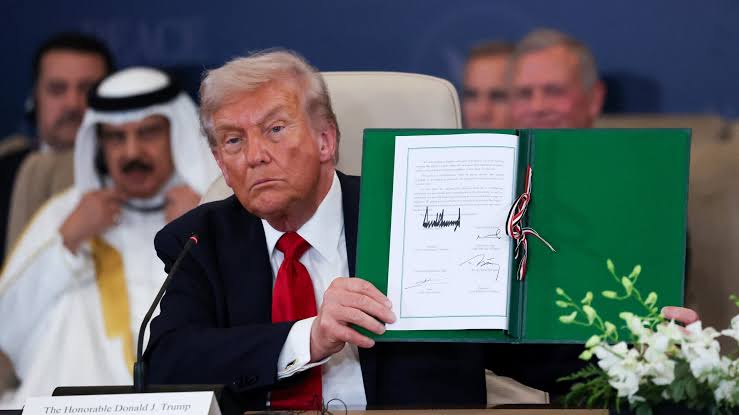
U.S. President Donald Trump has signed an executive order eliminating the 40% tariffs on Brazilian agricultural products including beef, coffee, cocoa and certain fruits which his administration imposed in July as a punitive response to the prosecution of former Brazilian president Jair Bolsonaro,
According to the order, the tariff removal takes effect retroactively from 13 November 2025, and the U.S. government may issue refunds for duties collected during the period the levies were in force,
Brazil remains one of the United States’ most significant suppliers of agricultural commodities. It provides roughly one-third of the coffee consumed in the U.S., and also maintains a strong market presence in beef exports, according to Reuters. Retail coffee prices in the U.S. had climbed by up to 40% this year, a rise partly attributed to the tariffs.
A commodities analyst noted that thousands of bags of Brazilian coffee had been held in bonded warehouses where importers deferred duty payments pending clarity on the tariff regime, and are now expected to move rapidly to U.S. roasters following the policy reversal, The Economic Times reported.
Also Read: TikTok Divestment Timeline May Be Extended Again by Trump
The Brazilian beef industry welcomed the development, with a key trade association describing the decision as evidence of the “effectiveness of the trade negotiations,” according to The Economic Times.
However, while the tariffs on agricultural imports have been lifted, Reuters reported that other U.S. restrictions targeting Brazilian officials involved in the Bolsonaro prosecution remain in place.
Analysts say the U-turn is likely to ease food-price pressures in the United States pressures that have been weighing on Trump’s approval ratings, The Economic Times noted. For Brazil, the development restores more favourable access to one of its most important export markets.
The move is widely viewed as part of a broader recalibration of U.S. trade policy, shifting away from punitive measures toward approaches aimed at stabilising supply chains and reducing costs for consumers.
