
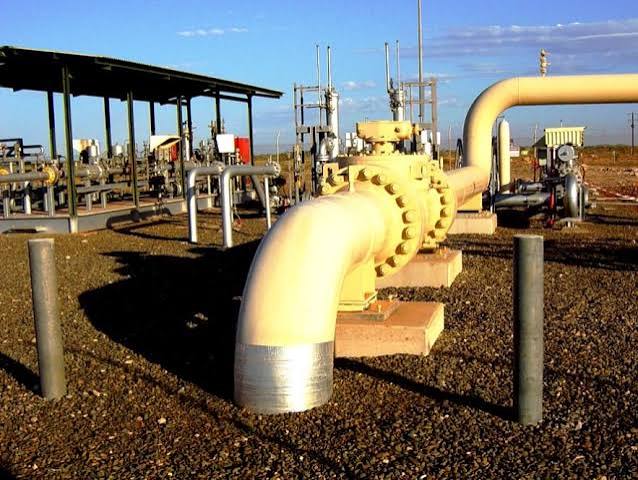
Senegal’s gas infrastructure company, Réseau Gazier du Sénégal (RGS), is seeking €530 million to develop three natural gas pipeline sections aimed at supplying power plants and industrial facilities, with construction expected to begin in 2027.
The company’s Chief Executive, Pape Momar Lo, disclosed this during a Deal Room session hosted by Premier Invest at African Energy Week 2026 in Cape Town, South Africa, on 12 October.
The three proposed pipelines, designated green, blue and orange, are scheduled for commissioning in 2029 and form part of Senegal’s broader plan to expand domestic gas utilisation and reduce dependence on imported liquid fuels.
The projects align with Senegal’s 2050 Vision and its target of supplying 150 million standard cubic feet of gas per day for domestic consumption by 2030, with gas expected to account for 75 per cent of electricity generation.
The green segment is projected to cost €220 million and will comprise a 110-kilometre pipeline with a capacity of 300 million standard cubic feet per day.
The pipeline is designed to transport excess gas from the Greater Tortue Ahmeyim (GTA) liquefied natural gas project, which began exports in 2025, towards the blue and orange networks along the southern corridor.
The blue segment, estimated at €180 million, will cover 100 kilometres and have a capacity of 713 million standard cubic feet per day.
It is expected to supply six power plants and six industrial facilities, making it the largest demand centre within the proposed network.
The orange segment will require €130 million for a 45-kilometre pipeline with a capacity of 300 million standard cubic feet per day. It will serve six industrial users and one power plant, completing the connection between northern offshore gas supplies and industrial consumers in the south.
RGS said €25 million had been earmarked for compensation for people affected by the three pipeline routes, while procurement and construction would account for the bulk of the project costs.
The three sections form part of a wider 400-kilometre national gas network being developed by the company.
Another component, the 85-kilometre Gandon pipeline, which connects the GTA hub to the Gandon power plant in Saint-Louis, is currently 25.8 per cent complete. Pipe-laying activities began on 10 September.
The broader network also includes a 17-kilometre section designated red.
Senegal is seeking to balance its ambitions to export liquefied natural gas with the need to supply domestic consumers as it develops its offshore oil and gas resources.
READ ALSO: Senegal Hits 3.8 Million Barrels in Crude Oil Output
The proposed infrastructure is expected to facilitate the delivery of gas to power stations and industrial zones, potentially reducing reliance on imported liquid fuels and lowering electricity generation costs.
For power producers, access to domestic gas could provide a more stable source of fuel, while industrial businesses could benefit from additional energy supply options.
However, the projects’ implementation will depend on securing the required financing, the availability of gas from the Yakaar-Teranga and GTA fields, construction schedules and agreements with power producers and industrial consumers.
Securing the €530 million is therefore central to meeting the planned 2027 construction start.
