
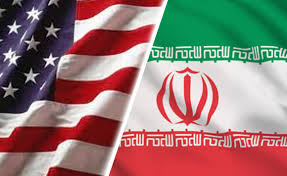
Hopes of a diplomatic resolution to the ongoing U.S.–Israeli conflict with Iran have dimmed, as negotiations aimed at ending the two-month crisis remain deadlocked, with both sides unwilling to shift their positions.
Iran’s Foreign Minister, Abbas Araqchi, returned from mediation talks in Pakistan without a breakthrough, while U.S. President Donald Trump cancelled a planned visit to Islamabad by his envoys, Steve Witkoff and Jared Kushner, further dampening prospects for peace.
The prolonged standoff between the United States and Iran, one of the world’s major oil producers, has already sent energy prices soaring, fuelled inflation, and cast uncertainty over global economic growth.
READ ALSO: Iran Attacks US Base in Qatar Over Nuclear Site Airstrikes
Iranian President Masoud Pezeshkian, in a telephone conversation with Pakistani Prime Minister Shehbaz Sharif, insisted that Tehran would not engage in “imposed negotiations” under pressure or blockade.
According to Iranian officials, Pezeshkian said Washington must first remove “operational obstacles”, including restrictions on Iranian ports, before meaningful dialogue can begin.
Despite the lack of progress, Araqchi described his visit to Pakistan as “very fruitful,” although sources indicated that Iran would not accept what it termed “maximalist demands” from the United States.
Trump, speaking to reporters in Florida, defended his decision to cancel the diplomatic trip, saying the proposals from Iran were insufficient.
“Iran offered a lot, but not enough,” he said, adding in a post on Truth Social that there was “tremendous infighting and confusion” within Iran’s leadership.
However, Pezeshkian dismissed such claims, stating that there were “no hardliners or moderates” in Iran and that the country remained united behind its leadership. Senior figures, including Mohammad Baqer Qalibaf, echoed this stance.
Tensions in the region have also intensified, with Israeli Prime Minister Benjamin Netanyahu ordering strikes on Hezbollah targets in Lebanon, testing an already fragile ceasefire.
Meanwhile, Iran has largely restricted movement through the Strait of Hormuz, a key global energy route responsible for transporting a significant share of the world’s oil and liquefied natural gas, while the United States continues to block Iranian oil exports.
Although the White House previously indicated signs of progress, with Vice President JD Vance prepared to travel to Pakistan for further talks, earlier negotiations in Islamabad failed to produce results.
