
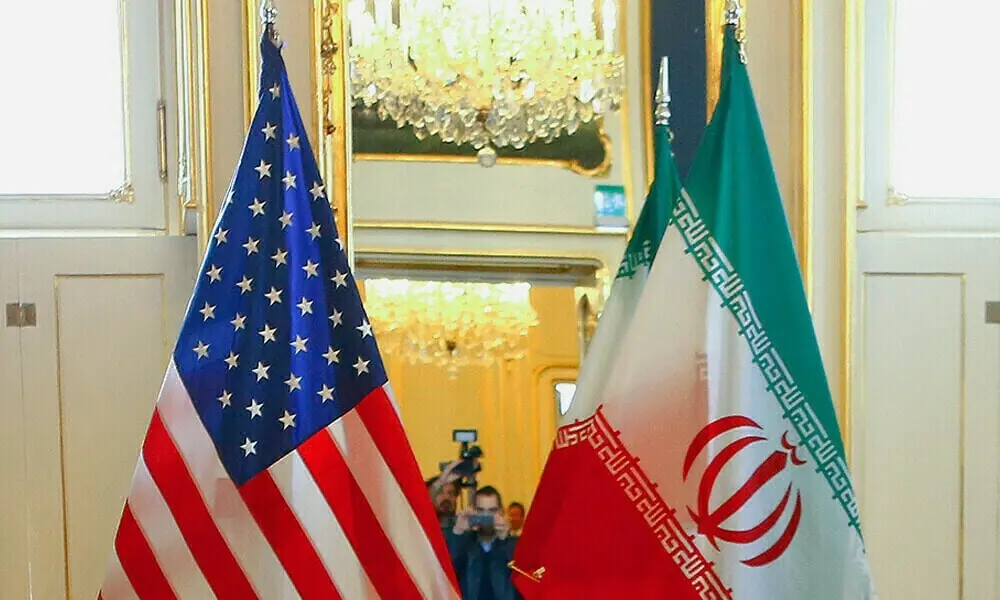
Iran and the United States are set to hold tense negotiations in Oman on Friday aimed at resolving disputes over Tehran’s nuclear programme.
Both nations have signalled readiness to revive diplomacy over the long-running nuclear standoff. Washington insists the talks cover Iran’s nuclear activities, ballistic missiles, support for regional armed groups, and domestic human rights issues, U.S. Secretary of State Marco Rubio said on Wednesday.
Tehran, however, has called for discussions to focus exclusively on nuclear matters. Iranian Foreign Minister Abbas Araqchi, speaking ahead of the Muscat meeting, emphasised that diplomacy must respect Iran’s rights and commitments. “Equal standing, mutual respect and mutual interest are not rhetoric they are a must and the pillars of a durable agreement,” he said on social media.
Also Read: Iran Attacks US Base in Qatar Over Nuclear Site Airstrikes
Tensions between the two countries have intensified following a June U.S. strike on Iranian nuclear sites during the final stages of a 12-day Israeli bombing campaign. Although Tehran has paused uranium enrichment, Iranian officials remain concerned about potential U.S. military action, especially amid a growing U.S. naval presence in the region, which former President Donald Trump described as a “massive armada.”
White House Press Secretary Karoline Leavitt warned that Trump retains multiple options beyond diplomacy. “While these negotiations are taking place, I would remind the Iranian regime that the president has many options at his disposal,” she said, signalling the high stakes of the talks.
Iran has pledged to respond forcefully to any attack and cautioned neighbouring countries hosting U.S. bases that they could be targeted if involved in military action. Analysts say the standoff makes the likelihood of conflict significant if the two sides fail to compromise.
Negotiators face a key impasse: Iran refuses to discuss its missile capabilities, including range and deployment. Hours ahead of the talks, state TV reported the deployment of one of Iran’s most advanced long-range missiles, the Khorramshahr 4, in underground Revolutionary Guards facilities.
Nevertheless, Tehran has offered concessions on uranium enrichment, including the potential handover of 400 kilograms of highly enriched uranium and participation in a zero-enrichment consortium arrangement. Iran maintains that its nuclear programme is for peaceful purposes, while the U.S. and Israel allege past military ambitions.
Tehran’s influence throughout the region has been severely weakened by Israel’s attacks on its regional allies – known as the “Axis of Resistance” from Hamas in Gaza to Hezbollah in Lebanon, the Houthis in Yemen and militias in Iraq, as well as by the ousting of Iran’s close ally, Syrian dictator Bashar al-Assad.
