
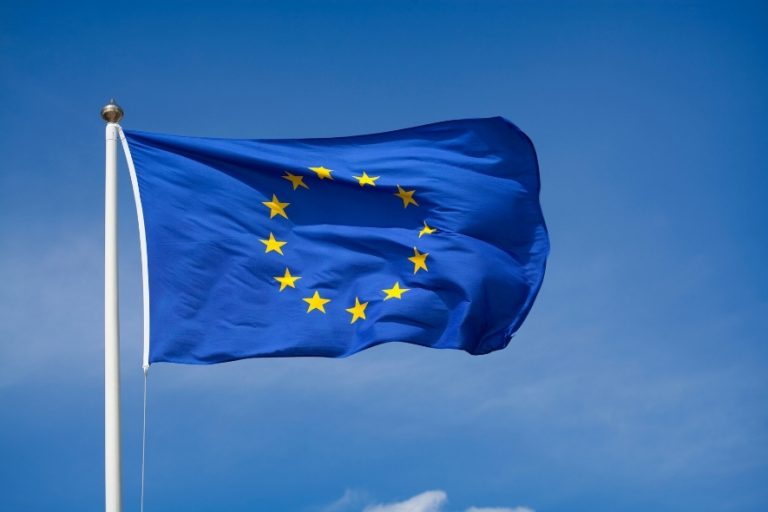
The European Commission has proposed banning children under 13 from social media and requiring online platforms to provide safer accounts for young users as part of a wider plan to protect children from online risks.
European Commission President Ursula von der Leyen unveiled the proposed measures on Thursday, saying digital services should be designed with children’s safety and wellbeing in mind.
Under the proposed EU Kids Act, children aged 13 to 15 would require parental control to access social media accounts.
The plan, which must be negotiated with EU member states and the European Parliament before it can become law, would also introduce rules for social media and video-sharing platforms, online games, AI companions and chatbots used by children under 18.
The proposed regulations would prohibit features considered harmful or overly engaging, including infinite scrolling, reward mechanisms and recommender systems based on user profiling.
READ ALSO: New Zealand Moves to Ban Social Media for Under-16s
Platforms would also be required to prevent unsolicited contact from strangers, design child-safe algorithms and provide accessible parental controls, including tools for blocking and muting users.
AI companions and chatbots aimed at children would have to be disabled by default.
Von der Leyen said the initiative would establish clearer safeguards for children in the digital environment.
“Today, our children are engaging with some of the most sophisticated technology ever created, and it was not created with children’s well-being and development in mind,” she said.
She described the proposed EU Kids Act as an effort to establish clear boundaries online similar to those that exist in everyday life.
The initiative follows growing efforts by countries including Australia, Britain, China, India and Türkiye, as well as several EU member states, to restrict children’s access to social media and address concerns about online safety.
