
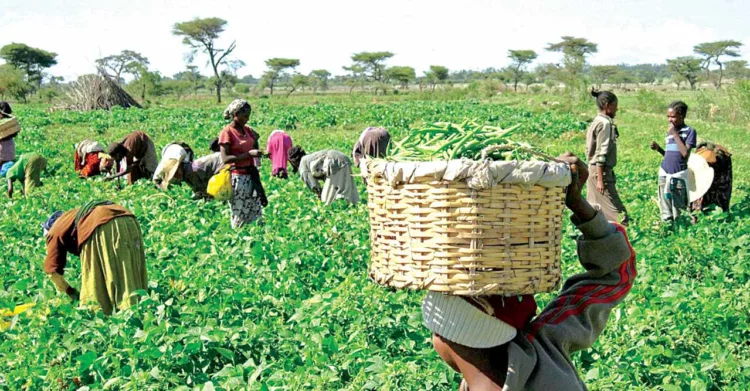
In a bold move to promote sustainable agriculture and community resilience, the Women Initiative for Sustainable Environment (WISE) has successfully trained 30 women farmers in regenerative agricultural practices across Kaduna State.
The three-day intensive workshop, themed “Regenerative Agriculture Accelerator,” was held under the Integrated COVID and Climate Resilience Nigeria Programme, with support from Women Earth Alliance (WEA). The training focused on equipping women with the tools to combat climate change impacts and ensure food security in their communities.
Regenerative agriculture is an approach that emphasizes soil health, biodiversity, and ecosystem restoration. It offers a sustainable alternative to conventional farming by enhancing resilience against climate shocks and public health emergencies such as the COVID-19 pandemic.
Speaking at the closing ceremony on Friday, Mrs. Olanike Olugboji-Daramola, Founder and Executive Director of WISE, said the programme was designed not only to educate, but also to empower women farmers as environmental stewards and community leaders.
“We are teaching women how to farm in ways that protect the soil, the environment, and their families. Organic farming reduces production costs and enhances resilience to climate and health challenges,” she explained.
The workshop introduced participants to practical techniques including organic composting, natural pest control, and soil testing. According to Olugboji-Daramola, the ultimate goal is to create a network of climate-smart women leaders who can champion sustainable agriculture within their localities.
Dr. Dorcas Ezekiel, a soil scientist from the Federal University of Technology, Minna, and one of the facilitators, emphasized the significance of soil management in ensuring long-term food sustainability.
“These women now understand the value of nurturing soil with organic matter. With consistent application, they will help enhance biodiversity, reduce chemical dependence, and contribute to climate change mitigation,” she said.
Dr. Ezekiel also highlighted the potential of the initiative to open international market opportunities for organic produce from Nigeria.
Another facilitator, Elizabeth Yakubu, stressed the importance of confidence-building in the training, stating:
“Beyond the techniques, we are giving these women the belief that they can take control of their food systems with safe, affordable, and sustainable practices.”
For participants, the training was nothing short of transformative.
Also Read: Nigeria Signs Fresh Pact with DEC to Deepen Farmer Financial Inclusion
Rifkatu Bawa, a farmer from one of the participating communities, expressed excitement over learning to create compost from kitchen and farm waste.
“I’ve always relied on chemical fertilisers, which are expensive and harmful. Now I know better, and I’m eager to teach other women what I’ve learned,” she said.
Jummai Luka, another participant, said the training changed her entire perception of farming.
“We were shown how to use natural methods to enrich the soil and store our produce without chemicals. I plan to start a demonstration farm in my village to share this knowledge.”
For Asibi Hassan, the biggest takeaway was understanding the health benefits of organic farming.
“What we eat affects our health. I’ve learned how to grow vegetables without chemicals, and I’m committed to feeding my family healthier food.”
The training concluded with the presentation of certificates of participation to the women—a symbolic gesture representing their new roles as community change agents.
Organisers also announced the women’s pledge to form community clusters and extend the training to hundreds of other women across the state, amplifying the ripple effect of the initiative.
WISE expressed optimism that with sustained support, Nigerian women farmers will be at the forefront of the country’s transition to climate-smart agriculture and sustainable food systems.
