
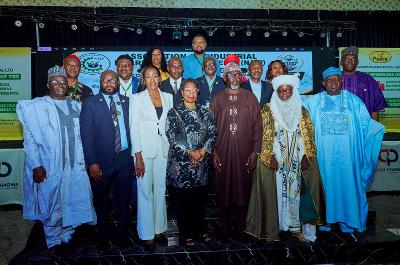
Nigeria has secured the backing of the Association of Industrial Pharmacists of Nigeria (NAIP) for a comprehensive pharmaceutical transformation aimed at positioning the country as Africa’s leading drug manufacturing hub.
Pharm Bankole Ezebuilo gave the assurance during the 29th Annual National Conference and Training of NAIP, with the theme: “Collaboration and Innovation to Build Local Solutions for the Future of Nigeria’s Pharmaceutical Industry.”
He said Nigeria could no longer depend heavily on imported medicines, warning that such reliance poses serious risks to national healthcare security and economic stability.
According to Ezebuilo, more than 70 per cent of medicines consumed in Nigeria are imported, despite the country’s huge pharmaceutical potential.
“No nation can outsource its health security.”
The NAIP chairman called on the Federal Government to declare a national emergency on pharmaceutical manufacturing and provide policies capable of strengthening local production.
He stressed that sustainable healthcare delivery must be built through deliberate collaboration involving government, pharmaceutical manufacturers, academia, regulators, and development partners..
Ezebuilo noted that although Nigeria produces some finished pharmaceutical products locally, most Active Pharmaceutical Ingredients (APIs) are still imported, making the country vulnerable during global supply disruptions and health emergencies.
According to him, achieving pharmaceutical self-sufficiency would improve medicine availability, create jobs, conserve foreign exchange, strengthen quality control, and position Nigeria as a strategic regional manufacturing hub.
He urged investors to commit boldly to pharmaceutical manufacturing and innovation, while encouraging academic institutions to align research with industry and healthcare needs.
The conference also featured humanitarian outreach activities, including the commissioning and renovation of healthcare centres worth millions of naira at the Palace of the Emir of Ilorin.
A free medical outreach led by the Kwara State Commissioner for Health, Dr Amina L. Imam, also provided consultations, healthcare interventions, and free drugs to more than 1,000 indigent residents from Ilorin and neighbouring communities.
As the conference ended, Ezebuilo reiterated that Nigeria’s healthcare future would depend on innovation, collaboration, skilled manpower, and strong local pharmaceutical manufacturing capacity.
“If we get it right, we will transform this industry, create jobs, reduce dependency, compete globally, and deliver healthcare locally,” he added.
