
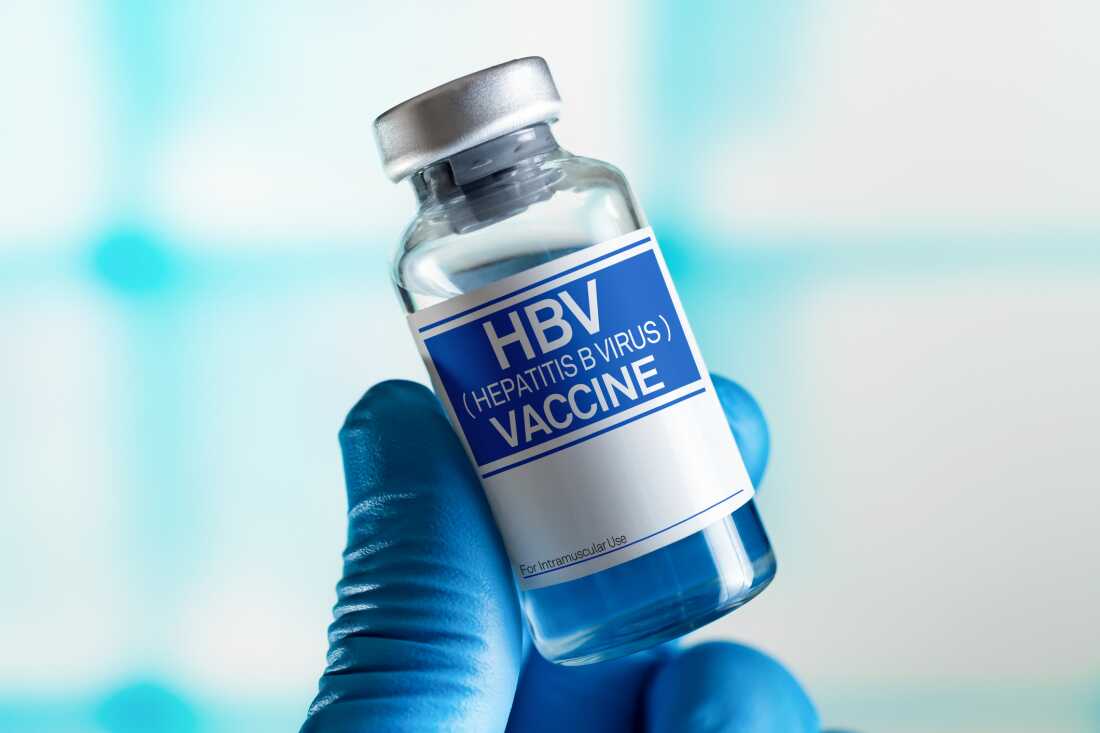
A key vaccine advisory committee to the Centers for Disease Control and Prevention (CDC) is set to vote on whether to delay the first dose of the hepatitis B vaccine for most American newborns, potentially changing a practice in place since 1991.
The Advisory Committee on Immunization Practices (ACIP) is reviewing a proposal that would shift the initial hepatitis B shot, currently recommended at birth to a later age. The precise timing of the proposed delay has not yet been finalised.
Dr Kirk Milhoan, newly appointed chair of ACIP, said in a recent interview: “We try to avoid giving things to the most vulnerable. We want to test these things incredibly thoroughly before we give it to them, especially in a neonatal period or in a pregnant mother.”
If approved, the change would affect approximately 3.5 million newborns annually in the United States, who currently receive the birth dose as a standard preventive measure.
Public health experts emphasise the importance of the existing schedule. An independent review of more than 400 studies released this week found that administering the hepatitis B vaccine at birth has reduced childhood infections by over 95%.
Some vaccine manufacturers and public health professionals have raised concerns that altering the schedule could disrupt vaccine supply chains and complicate the administration of combination vaccines, such as those for polio, diphtheria, and tetanus, which are routinely given alongside hepatitis B.
Experts also warn that any delay may increase newborns’ vulnerability to hepatitis B infection from caregivers or undiagnosed maternal infections.
